
The rise of ‘Granny Crafts’: Why traditional hobbies are a modern mental health solution
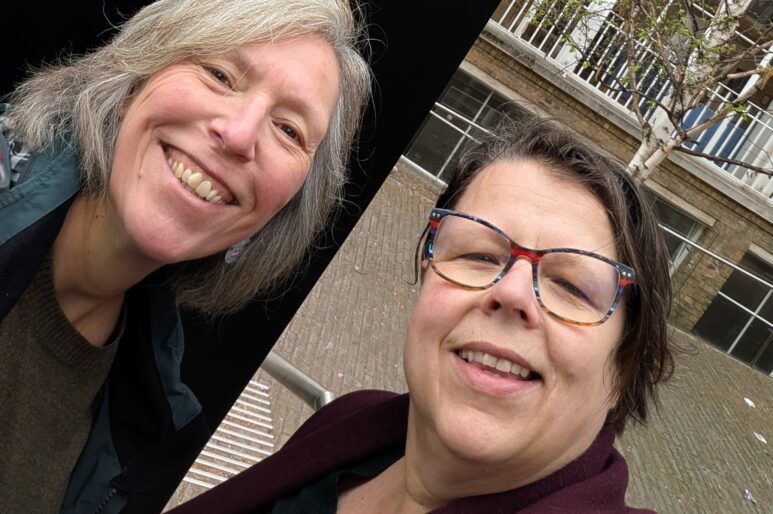
Danielle Sterrenburg and Samantha Robertson, Learning for Leisure Team Leaders at Activate Learning, tell us why people are taking up 'granny crafts' to help their mental health.
In an age defined by constant connectivity, fast-paced lifestyles and digital overload, an unexpected trend has emerged: a resurgence in the so-called ‘granny crafts.’
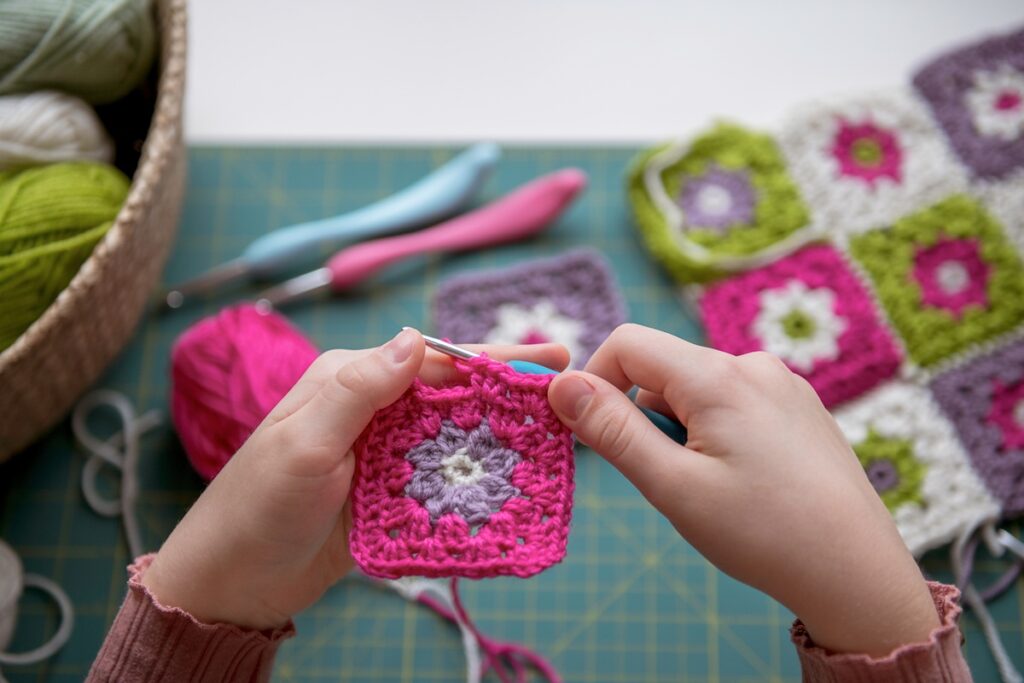
Activities once associated with older generations including knitting, crochet, sewing, embroidery, baking and gardening, are being embraced anew, particularly by younger people seeking calmer, more meaningful ways to spend their time.
Far from being a nostalgic fad, this movement reflects a deeper societal shift.
Increasingly, people are putting down their phones and stepping away from screens in favour of hands-on, creative pursuits that support their mental health and wellbeing.
A cultural reset: Slowing down in a fast world
The renewed interest in traditional crafts is closely linked to rising awareness of mental health challenges. With burnout, anxiety and loneliness on the rise, people are searching for accessible, low-cost ways to restore balance.
So-called ‘grandma hobbies’ provide exactly that. These activities create space to slow down, focus and reconnect with the present moment, something often lost in a digital-first world.
Psychologists note that immersive hobbies offer a calming escape from everyday pressures, helping individuals unwind while building confidence and cognitive skills.
For instance, Nordstrand et al. (2024), Journal of Occupational Science (opens in new tab)found that knitting helped people with mental health difficulties experience calm, structure, identity and improved wellbeing.
Csikszentmihalyi’s theory of “flow”(opens in new tab) describes how immersive activities can promote deep concentration, enjoyment and psychological wellbeing.
The science behind craft and wellbeing
The benefits of crafting are not just anecdotal; they’re supported by a growing body of research.
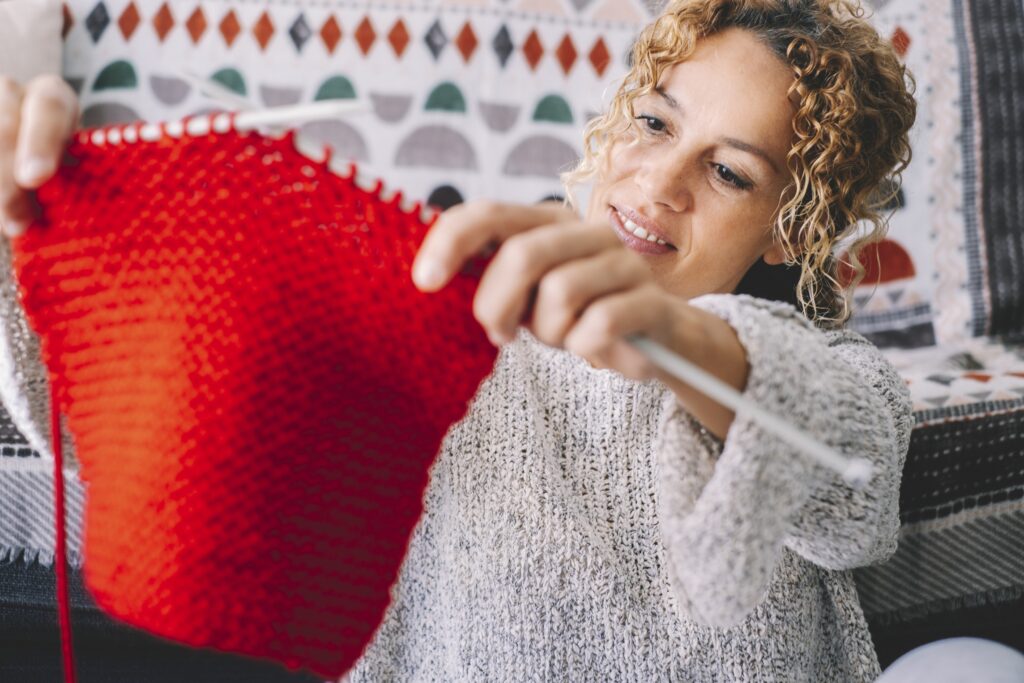
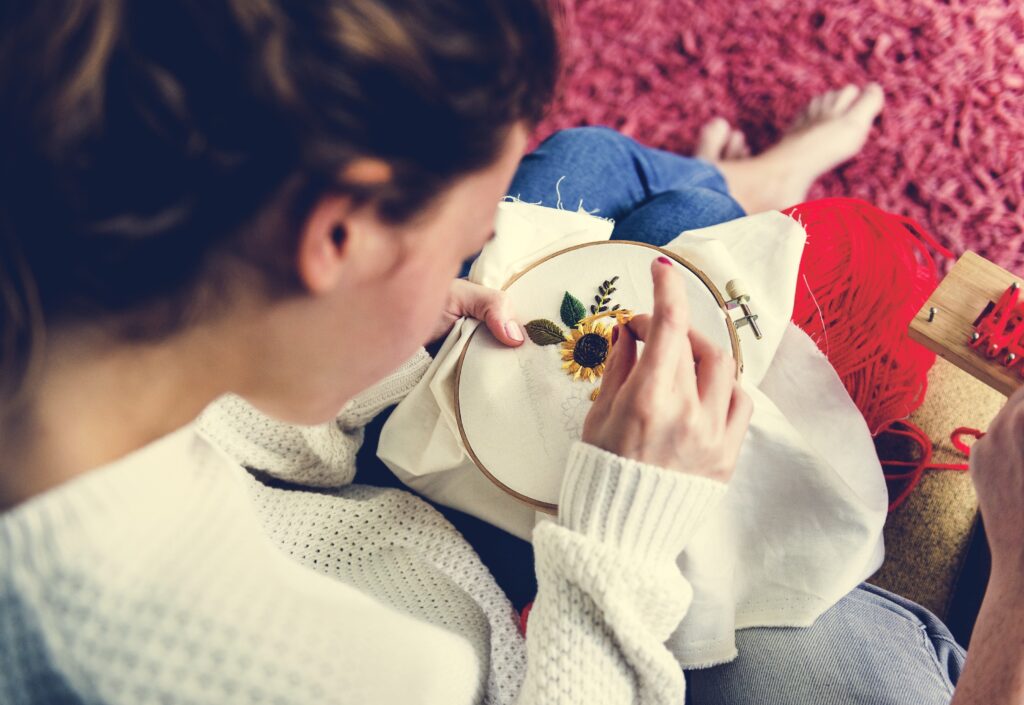
Creative activities such as knitting and embroidery involve repetitive, rhythmic movements that can induce a state similar to meditation. These motions help regulate the nervous system, reduce stress and increase feelings of calm. By encouraging focus on the present moment, crafts can reduce rumination and anxiety.
Research by Dr Anne Kirketerp(opens in new tab) highlights significant emotional benefits. A major review of needlecraft studies found consistent positive impacts, including reduced anxiety, a stronger sense of purpose and increased life satisfaction.
Crafting also supports cognitive health. Learning new skills, such as following patterns or mastering techniques, helps build neural pathways, improving memory, concentration and problem-solving abilities.
There’s also a clear link between crafting and ‘flow,’ a state of deep immersion associated with improved mood and reduced stress. Research highlighted in DMC’s Craft Psychology(opens in new tab) work further shows that creative practice can build resilience, promote relaxation and support both mental and physical wellbeing.
Creativity, connection and purpose
Traditional crafts are powerful because they meet fundamental human needs.
First, they provide a sense of achievement. Completing a tangible project boosts confidence and self-esteem.
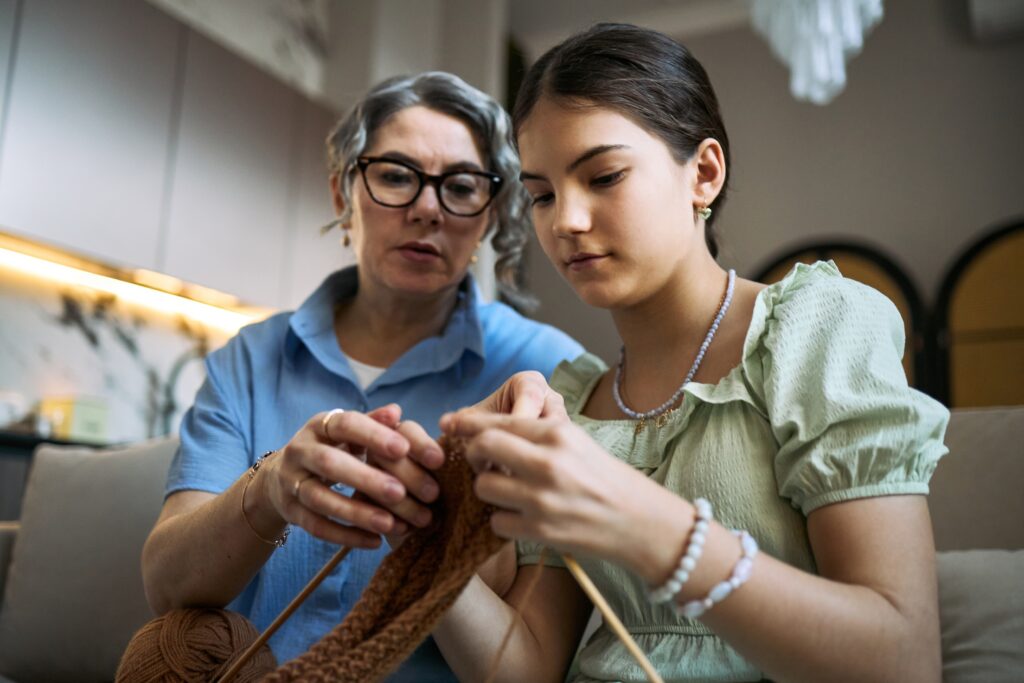
Second, they foster connection. Crafting can be both solitary and social, with group activities offering opportunities to build relationships and combat loneliness.
Third, they enable self-expression. Through creative work, individuals can communicate identity and emotion in ways that words cannot.
Finally, crafts create a sense of purpose. In a highly digital world, making something physical can be grounding, reconnecting individuals with processes, skills and outcomes that feel meaningful and real.
From trend to practice: The role of Learning for Leisure
While the benefits of crafting are clear, getting started can be a barrier. This is where our Learning for Leisure provision plays a vital role.
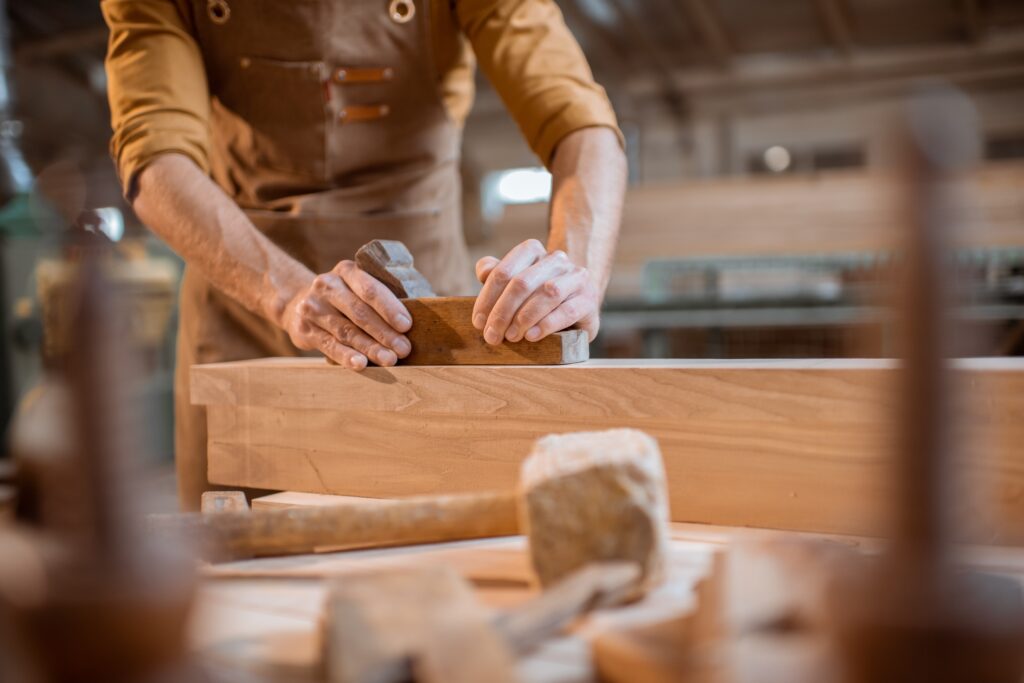
Learning for Leisure courses provide structured, supportive opportunities for adults to engage in creative activities, often for the first time. Courses in sewing, embroidery, jewellery, pottery, painting and woodwork offer accessible entry points into hobbies that can significantly enhance wellbeing.
At Activate Learning, the Createch faculty plays a key role in this space, offering a diverse portfolio of creative courses across Berkshire, Oxfordshire and Surrey(opens in new tab). This ensures that learners can access high-quality creative opportunities within their local communities, whether they’re exploring a new hobby or actively looking to improve their mental health.
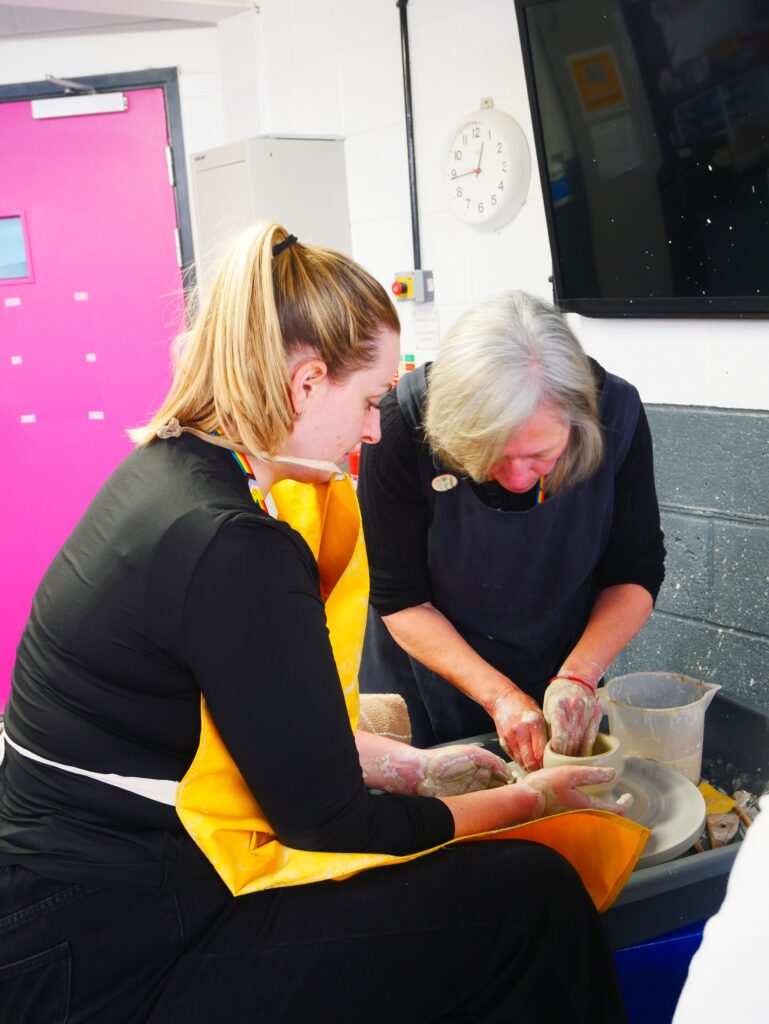
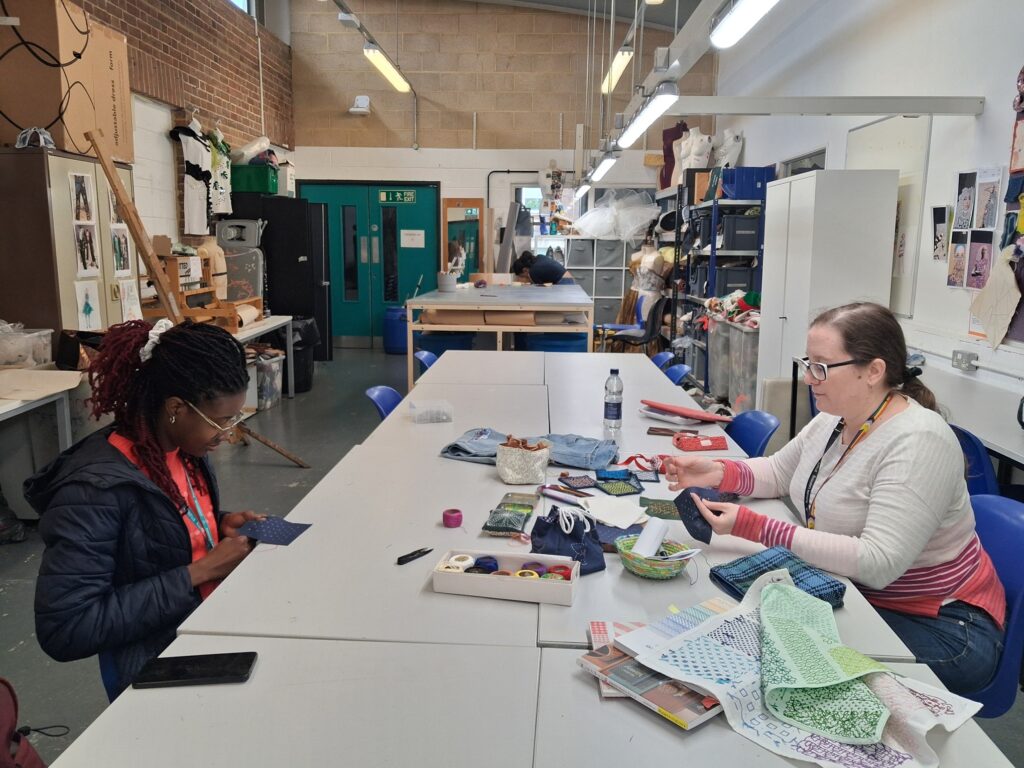
Importantly, these courses also foster connection. Learning in a group setting creates opportunities to share experiences, build relationships and develop a sense of belonging. This social dimension is particularly beneficial for those experiencing isolation or seeking to rebuild confidence.
These all tap into Activate Learning’s Learning Philosophy(opens in new tab) as Learning for Leisure craft-based courses can help learners to feel safe, find purpose and make progress in new crafts or practices that they wish to learn or develop.
Learning for Leisure courses are therefore more than just educational: they’re spaces for wellbeing, connection and personal growth.
A preventative approach to wellbeing
The growing popularity of traditional crafts presents an important opportunity for adult education providers.
By recognising the mental health benefits of creative activity, Learning for Leisure programmes can position themselves as part of a preventative wellbeing approach.
Craft-based courses can help individuals manage stress, build resilience and maintain positive mental health before issues escalate.
Embedding mindful approaches within sessions and promoting the calming, restorative aspects of creative practice can further strengthen this impact.
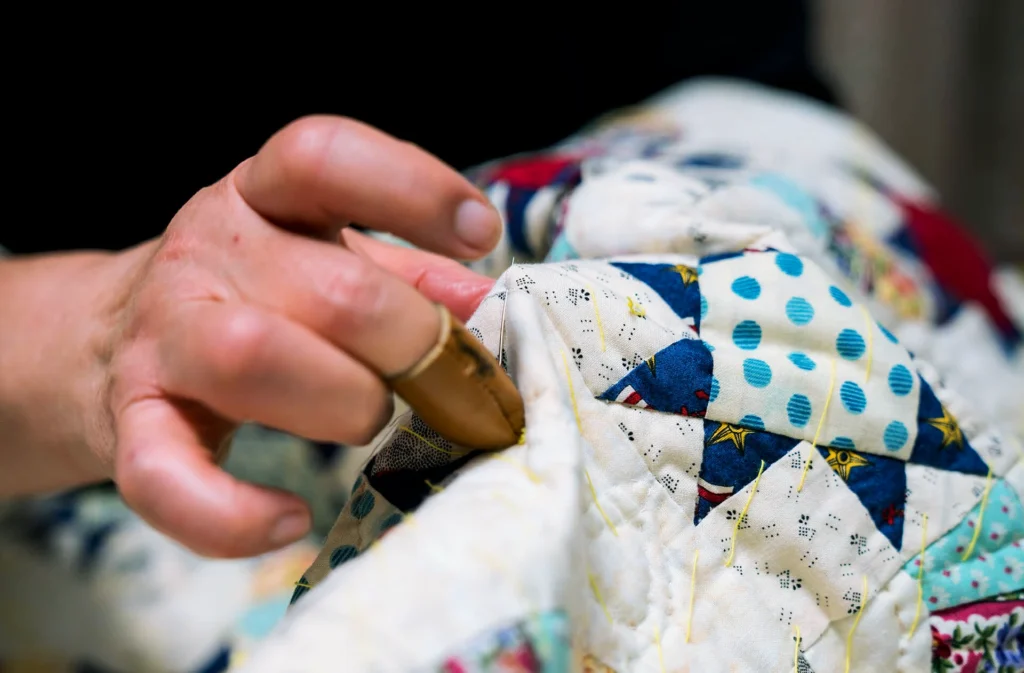
The resurgence of ‘granny crafts’ is not about nostalgia; it is about necessity. In a world that often feels overwhelming, people are rediscovering the value of slowing down, creating with their hands and connecting with others.
At its core, this trend reflects a simple truth: creativity supports wellbeing. It calms the mind, strengthens the brain and fosters connection and purpose.
Learning for Leisure courses and the breadth of opportunities delivered through Activate Learning’s Createch faculty play a crucial role in making these benefits accessible. By enabling people to learn, create and connect, they’re supporting healthier, happier communities.
As we look to the future of adult learning, the answer may not lie in something new, but in something timeless: the simple act of making.
Bibliography:
- Kirketerp, A (2024) Craft Psychology: How Crafting Promotes Health, Mailand
- McLeod, S (2025) Knitting for Self-care available at Simple Psychology
- Misha, J (2024) Flow State for Mental Health available at Psychology Today.
- Nordstrand, J. et al. (2024) Promoting health through yarncraft: Experiences of an online knitting group living with mental illness, University of Gothenburg available at: sciencedaily.com
- DMC, Create your way to wellbeing available at DMC’s Craft Psychology work
- Craft Psykologi, English page: Craft-Psychology Education in English available at Craft Psykologi.